

The Right Amount of CRM
Most CRM decisions aren't really about capability. A small team needed a digital rolodex but was quoted for a fully custom build. Reconfiguring an existing platform down to size saved most of the cost, but stripping down a sophisticated system still leaves complexity buried underneath. Sometimes the more direct fix is building small from scratch, as an offline-first proof of concept shows.
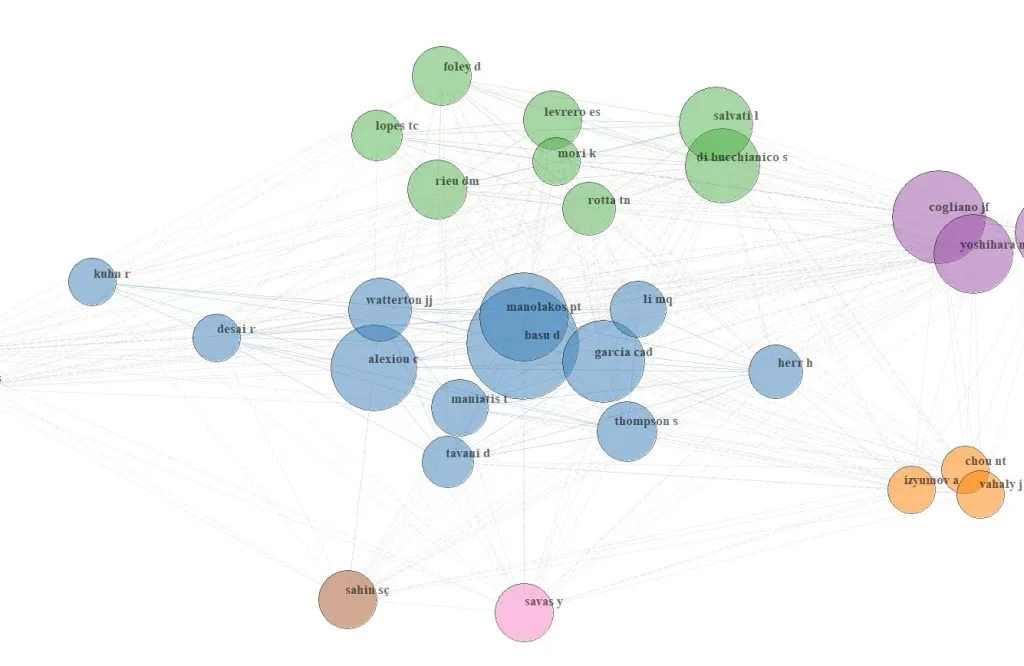
When Bibliometrix Author Counts Don't Add Up
Bibliometrix's `biblioAnalysis()` is a reliable workhorse, but its author count metrics can silently misfire on certain Web of Science exports. A semicolon count in R and a Power Query split both told a different story. Here's what the discrepancy reveals about parsing transparency, and why a second method should be routine.
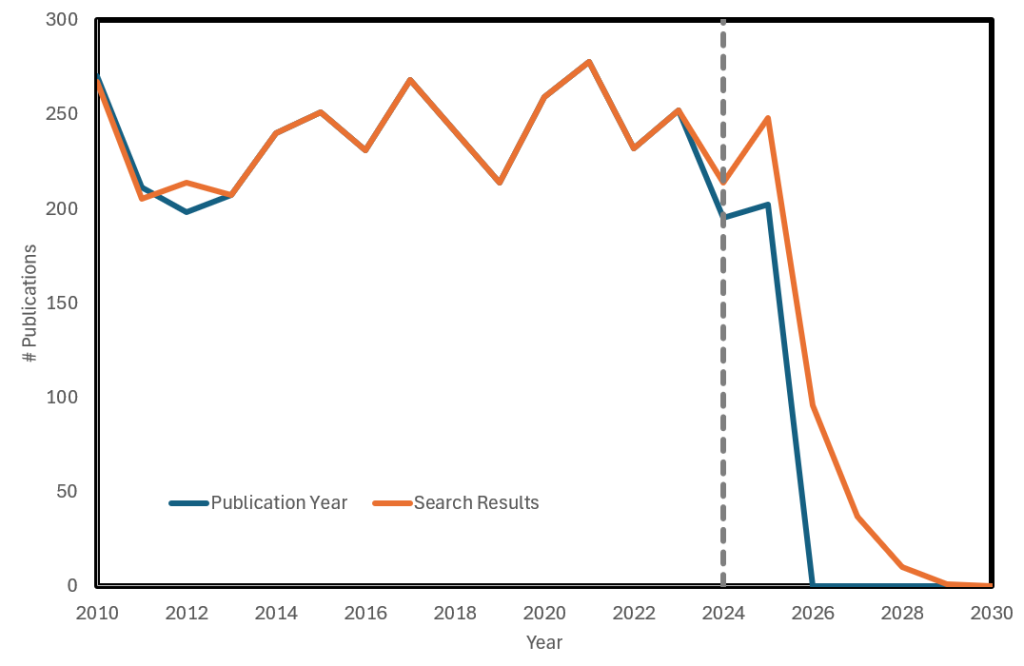
How to Avoid Misguidance by Discrepancies in Web of Science Date Fields
Web of Science date fields can mislead research analysis by conflating official publication years with early online access, skewing key trends. Relying blindly on standard search filters distorts publication counts, threatening data integrity and subsequent reporting. To safeguard strategic insights, research managers must ensure data teams use transparent processing workflows to catch these discrepancies.

Why CRM Migrations Fail (And What Works Instead)
Most nonprofit CRM failures stem from broken processes and untrained staff, not bad technology. Rushing into expensive system replacements based on polished vendor pitches often leads to six-figure losses, operational chaos, and high staff turnover. True efficiency often comes from unglamorous governance—mapping workflows, upskilling teams, and exhausting your current system's capabilities before writing a massive check for a new platform.